
Landscaping decisions shape biodiversity, water use, fire behavior, and climate resilience — whether we realize it or not.
Most non-native plants are not “bad.” Many are beautiful. Some are well-behaved in garden settings.
But plant choices are not neutral.
When we introduce plants from other regions, we change ecological relationships that have developed over thousands of years.
The Ecological Reality
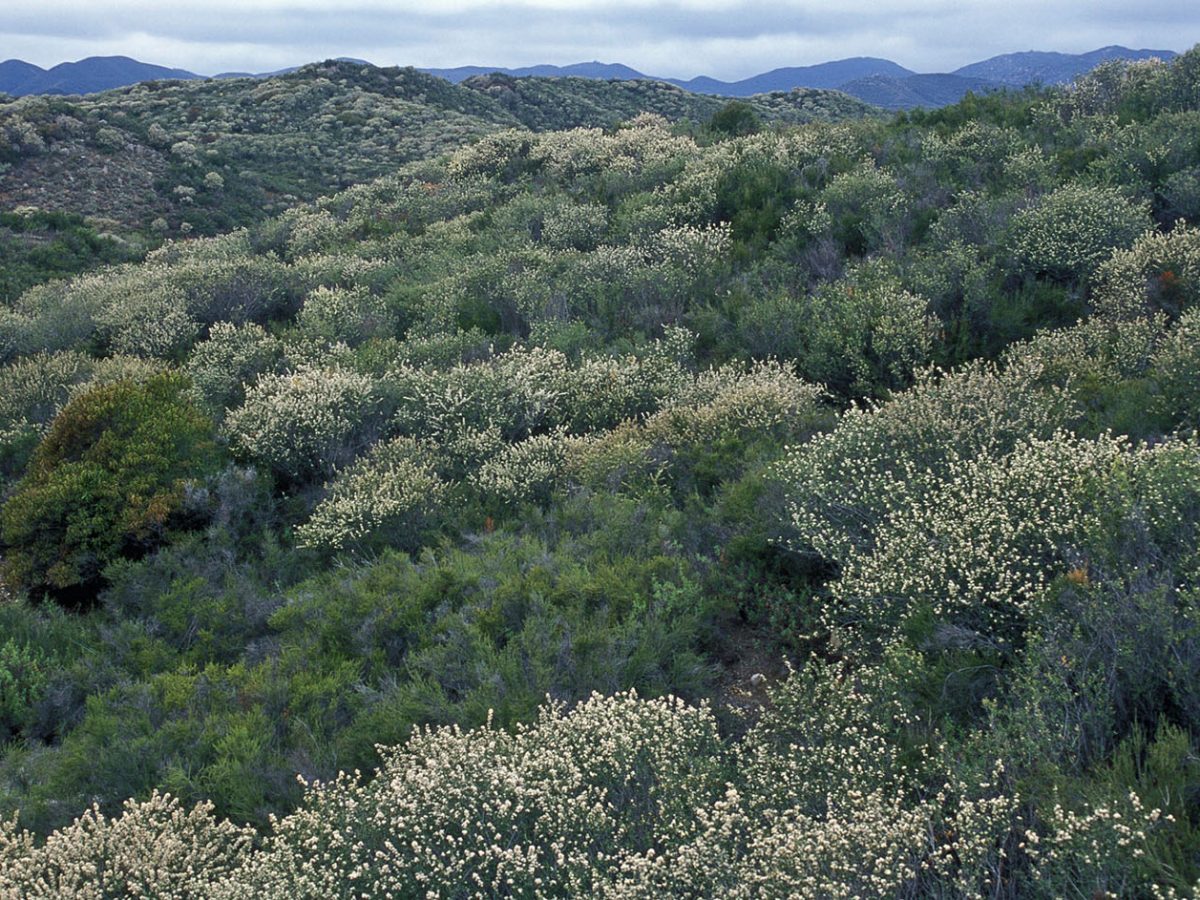
 California’s native plants evolved alongside local insects, birds, mammals, soil microbes, and climate patterns. These relationships form the foundation of functioning ecosystems.
When non-native plants dominate landscapes:
- They may not provide food for native insects and pollinators.
- They can reduce habitat available to wildlife.
- Some species escape cultivation and become invasive.
- Invasive species can alter soil chemistry, water cycles, and fire behavior.
- Certain exotics hybridize with native relatives, affecting genetic integrity.
- Others may harbor plant pathogens or toxins that disrupt ecosystems.
Invasive species are widely recognized as one of the leading threats to biodiversity and ecosystem stability in the United States.
[U.S. Fish & Wildlife Service]
While not all non-native plants become invasive, enough do that land managers spend millions of dollars annually controlling aggressive species. [Cal-IPC invasive plant inventory]
Impacts on Native Animals

A monarch munches on Asclepias fascicularis, narrow leaved milkweed.
Native wildlife depends on native plants.
Many insects are highly specialized and require specific host plants to complete their life cycles. For example, monarch caterpillars rely on milkweeds (Asclepias species). [Native host plant resource]
When host plants disappear, so do the insects — and the birds that depend on them.
As non-native plants replace native vegetation:
- Fewer host plants are available
- Food webs weaken
- Biodiversity declines
The result can be quieter landscapes with fewer pollinators, fewer songbirds, and simplified ecological relationships.
Learn more about how native plants support biodiversity.
Sustainability Considerations
 Beyond ecological impacts, conventional ornamental landscaping often carries hidden environmental costs:
- Plants grown in plastic containers and transported long distances
- High water demands
- Frequent fertilizer and pesticide inputs
- Short-lived seasonal plantings treated as disposable
- Increased fossil fuel use for mowing and maintenance
These inputs carry carbon and resource costs that are often invisible at the point of purchase.
In contrast, regionally native plant landscapes are perennial, climate-adapted, and typically require fewer inputs once established.
Explore our commitment to sustainable landscaping practices. [Zero Waste Policy] [Sustainability at the ENC]
A Balanced Perspective
 We encourage the use of locally native plants whenever possible — but this is not about perfection.
Not all non-native species are invasive. The goal is informed, intentional choices.
Replacing even a portion of a landscape with native species:
- Increases habitat value
- Reduces water use
- Lowers chemical inputs
- Strengthens ecological resilience
Small changes, multiplied across neighborhoods and communities, create meaningful ecological impact.
What You Can Do
- Choose plants native to your local region whenever possible.

- Avoid known invasive species.
- Gradually replace high-input areas of your landscape with native alternatives.
- Ask nurseries for regionally appropriate, non-invasive options.
- Support habitat restoration and native plant education in your community.
- Volunteer with local conservation organizations.
Even converting a small portion of your landscape to native plants increases habitat value and reduces resource use.
Ready to start?
Browse our Native Plants for Sale.
Explore the plant communities native to our region.
Thoughtful landscaping is one of the most accessible ways individuals can contribute to biodiversity and climate resilience in Orange County.