
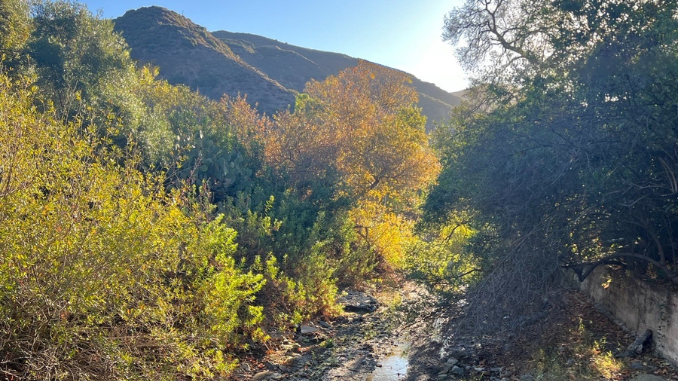
 Biodiversity & Ecology
- California hosts approximately 6,500 species, subspecies, and varieties of native plants that occur naturally in the state. Many of these are found nowhere else on Earth. (California Dept. of Fish & Wildlife)
- Of these native plants, more than 2,000 taxa are endemic — meaning they evolved here and occur nowhere else on Earth. Botanical inventories have historically estimated over 2,100 endemic plant taxa within the California Floristic Province portion of the state. (Wikipedia)
- The California Floristic Province is one of 36 globally recognized biodiversity hotspots — regions defined by exceptional concentrations of endemic species and significant habitat loss. (Wikipedia)
- Orange County is often described as a “hotspot within a hotspot,” with more native plant species per square mile than Yosemite National Park. According to data compiled from botanical databases such as Calflora, Orange County contains about 1,597 native plant taxa (species, subspecies, and varieties) native to the county. (California Native Plant Society, OC Chapter)
- Native plants form the foundation of local food webs. At the Environmental Nature Center, we showcase these plant communities throughout our campus and educational programs. Insects, birds, mammals, and pollinators evolved alongside these plants and depend on them for survival.
- Home gardens planted with native species function as habitat corridors, helping reconnect fragmented ecosystems. You can see this in action in our Pollinator Garden, where native plants support pollinators year-round.

Water Conservation
- California native plants evolved in a Mediterranean climate characterized by wet winters and long, dry summers.
- Once established, many native species require little to no supplemental irrigation.
- Native plant landscapes can significantly reduce outdoor water use compared to turf grass and high-input ornamental gardens. Our commitment to water-wise landscaping aligns with our broader Zero Waste and Sustainability initiatives.
- Conserving water protects a limited resource and increases community resilience during drought.

Reduced Chemical Inputs
- Native plants have natural adaptations to local pests and diseases.
- Native landscapes typically require less fertilizer and fewer pesticides, reducing chemical runoff into creeks, rivers, and coastal waters.
- Reducing pesticide use protects beneficial insects, pollinators, soil organisms, and human health.
Lower Maintenance
- Compared to conventional landscapes, native gardens generally require:
- Less mowing
- Less pruning
- Less irrigation
- Fewer chemical inputs
- When matched appropriately to site conditions, native plants are resilient and self-sustaining.
 Climate Change & Carbon Sequestration
- Global average atmospheric CO₂ now exceeds 420 parts per million (ppm) — concentrations not experienced on Earth in millions of years. (2026)
- Carbon dioxide traps heat. As CO₂ accumulates in the atmosphere, global temperatures rise.
- Rising temperatures contribute to:
- Melting glaciers and polar ice sheets
- Rising sea levels
- More intense heat waves
- Increased drought and water stress
- Stronger storms and flooding events
- More severe and frequent wildfires
- Shifts in plant and wildlife ranges
- Ocean warming and acidification
- Climate change is no longer a future projection — it is a present-day condition shaping water availability, fire behavior, and ecosystem stability across California.
- Native plant communities help mitigate and adapt to climate change by:
- Capturing and storing carbon in woody growth and deep root systems
- Building soil carbon over time
- Reducing reliance on fossil-fuel-based irrigation, mowing, and fertilizers
- Increasing landscape resilience during heat and drought
- High-input landscapes (such as conventional turf lawns) often require frequent irrigation, mowing, fertilizing, and chemical treatment — all of which contribute to greenhouse gas emissions.
- As a community-based environmental education organization, ENC integrates climate literacy into school field trips, camps, and public programs.
 Community Impact
- When planted across neighborhoods, schoolyards, parks, and HOAs, native landscapes create connected habitat networks. Community members can support this work by volunteering, becoming members, or purchasing native plants.
- Aggregated across communities, these plantings meaningfully increase biodiversity, conserve water, reduce pollution, and store carbon.
- Native plant landscaping is not simply aesthetic — it functions as ecological and climate infrastructure.
Incorporating native plants into your landscape is one tangible way to support biodiversity, conserve water, and strengthen climate resilience in our community. Visit our Native Plants for Sale page, explore our Plant Communities, or support local habitat restoration by becoming a member.
Sources: California Department of Fish & Wildlife; California Floristic Province biodiversity hotspot data; California Native Plant Society (Orange County Chapter); global atmospheric CO₂ data from NOAA Earth System Research Laboratory.